

A useful trekking bag is one you can carry comfortably all day. Pack for the route and expected conditions, rather than taking every piece of outdoor equipment you own. Before departure, check what your particular tour includes and what you need to bring yourself.
Put comfortable footwear first
Choose walking shoes with dependable grip that you have already worn on longer outings. Try them with the socks you intend to use. A short test walk with hills and steps is more useful than discovering a rubbing heel on the first morning of your trip.
Bring a spare pair of socks, especially if an overnight stop is planned. Do not rely on a shoe being labelled waterproof as a substitute for checking fit, grip, and comfort.
Build a small set of useful layers
Quick-drying clothes, a light waterproof outer layer, and something warm for breaks cover several changing conditions without making your bag unmanageable. Choose layers you can add or remove easily.
A comfortable walking top and trousers suited to the route.
A rain jacket or other practical rain protection.
An extra warm layer kept dry inside your bag.
A hat and sun protection for open sections.
Spare socks and a simple change of clothes for an overnight stay.

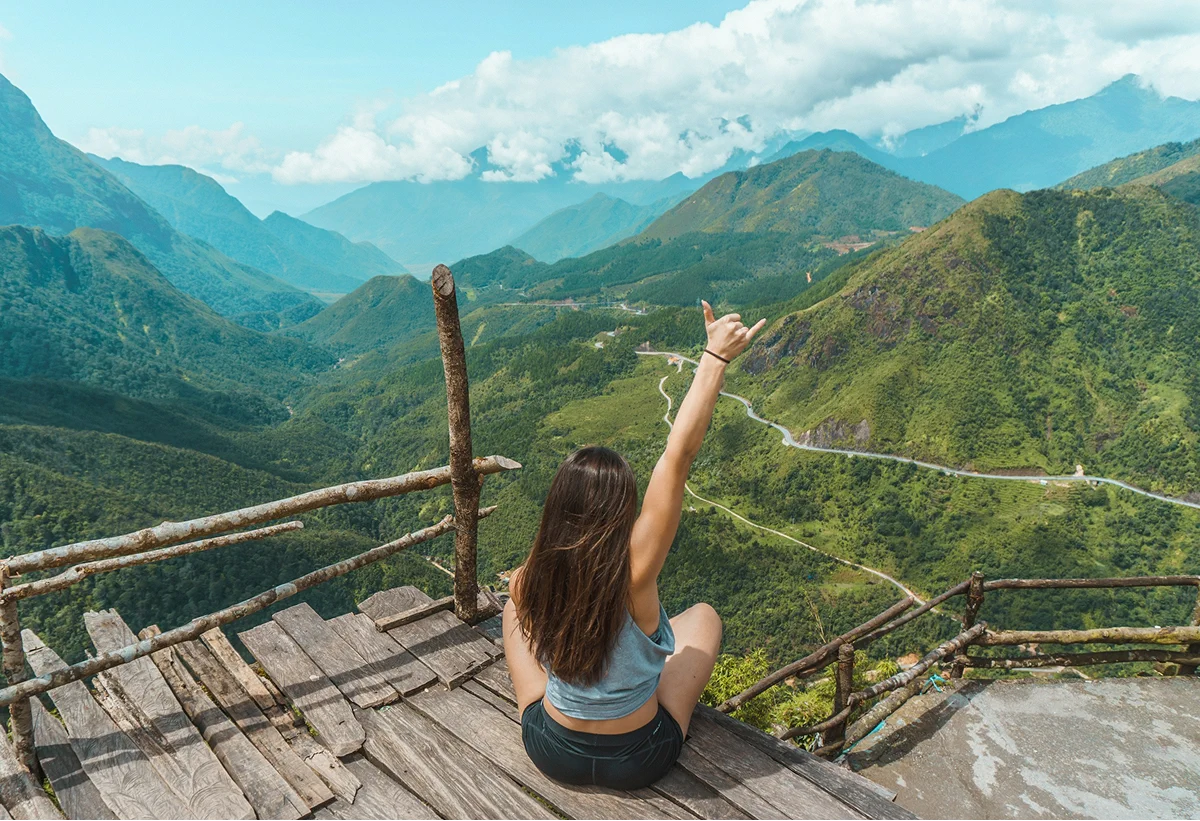
A comfortable daypack keeps useful items close at hand. This forest-walking photograph illustrates packing for a day outdoors. Photo: Unsplash.
Keep everyday essentials accessible
Carry drinking water and a snack you enjoy. Keep your phone, a charged power bank, personal medicines, and a small amount of cash in places you can reach without unpacking the whole bag. Protect items that need to stay dry with a simple waterproof pouch or liner.
Check the bag before you leave
Adjust the straps with the bag packed. Walk around for a few minutes and remove anything you are bringing only “just in case” without a clear purpose. Leave enough space to put away a layer when you warm up.
Ask about overnight arrangements
Do not assume that towels, bedding, toiletries, luggage storage, or bag transfers are included everywhere. Confirm the arrangements for your booked trip. A small wash kit, light change of clothes, and a bag for damp or dirty items are often more useful than several complete outfits.
Make a final route-specific check
Ask whether walking poles would help on the planned terrain and whether you need to carry lunch or extra water. Requirements for a short village walk can differ from those for a full-day or multi-day trek. Tell your guide about any equipment concerns before the day begins.
For local preparation context, see Visit Sa Pa’s trekking advice. Then compare the practical details of our guided walks and pack for the trip you have actually chosen.
Buy Template